Questions? Enter keywords in search box below:


DIY Home Pest Inspections

- Semi-annual inspections are the best insurance against insect and dry-rot damage -

Summary: You can do your own pest and dry-rot inspections to uncover problems before they become unmanageable. Use these suggestions and don't forget to keep good records!

Jack DeAngelis, PhD
OSU Ext. Entomologist (ret.)

Annual, or even semi-annual, pest and dry-rot inspections are important for keeping up the value of your home. Done properly, inspections will reveal potential damage before it becomes unmanageable and expensive.

Inspection for dry rot

Damage by the dry rot fungus, caused by excessive wood moisture, is the leading cause of wood failure in most homes. This is not the same fungus that has made headlines as a health concern. It is the fungus that destroys the structural integrity of wood and causes wood to rot.

Dry rot can occur anywhere wood remains wet for extended periods. Be sure to inspect around water pipes, water heaters and floor joists that are within 12" of bare soil. If symptoms of dry rot are found take steps to reduce moisture (see Related Articles below).

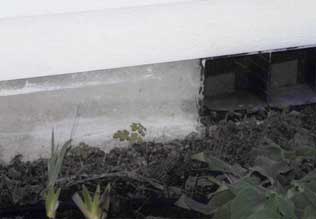
house foundation

House foundation, siding and foundation vents (black). Inspect for insect activity and water infiltration on the foundation between soil and siding. "Perimeter" treatments should be applied where the siding overlaps the foundation. Photo by JD DeAngelis.


Wood damaged by dry rot fungus is often described as "alligator skin" because of the cracked, blocky appearance of the surface. Dry rot causes weakness in the wood fibers which will eventually fail if placed under load. Rotted wood must be replaced after the source of moisture is found and eliminated. Sound wood should be treated with borate to stop additional fungal growth.

Inspection for insect pests or "bugs"

Insects pose a second concern. Carpenter ants, termites and powderpost beetles can cause significant and costly damage. Carpenter ants damage sound wood while expanding their nest cavities. Termites actually consume wood and one group, the subterranean termites, often start colonies in wood that has been buried near homes during construction. Powderpost beetles burrow in softwoods and hardwoods causing extensive structural and cosmetic damage.


Use our Home Inspection Guide [pdf] to help set up a basic inspection routine for all these pests. You can do the inspections yourself or hire a home inspector or pest control company (exterminator) to do it for you. Some home inspection companies now offer a "pest and water damage only" inspection for a reasonable fee.

Related Articles

What is Dry Rot Fungus?

What are Carpenter Ants?

Protecting Homes From Termites

What are Powderpost Beetles?

Rules for Selecting an Exterminator


If our information is useful click here to help us maintain and grow 'Bugs! You can also support 'Bugs by shopping through this Amazon link or the Amazon.com banner (left).

Don't forget to bookmark us for next time - press ctrl-D in most browsers.

Mission: To provide accurate, up-to-date and unbiased information for solving common insect and mite problems around your home, business and landscape using least-toxic methods.

Jack DeAngelis, PhD,  , email:  [email protected]

Please see the Disclaimer statements as well.


Copyright © 2004-... LivingWithBugs, LLC. All rights reserved.